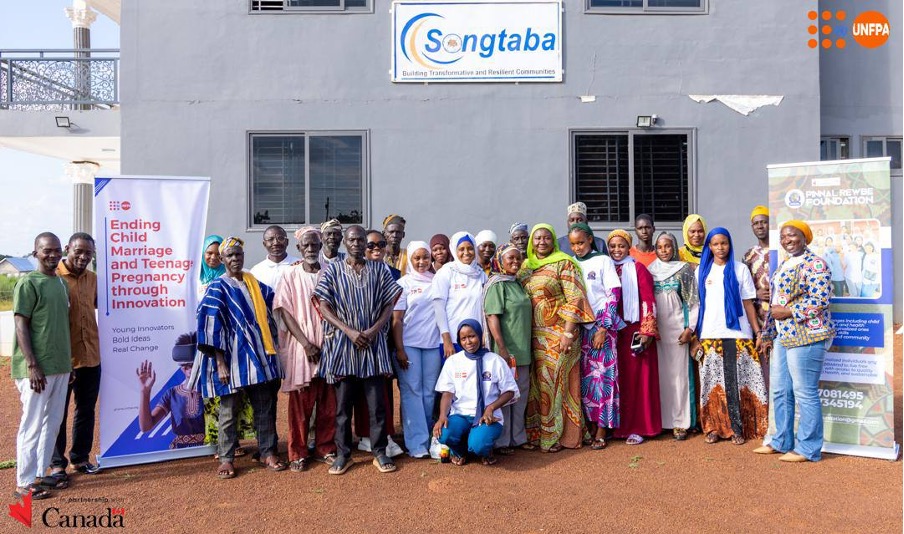
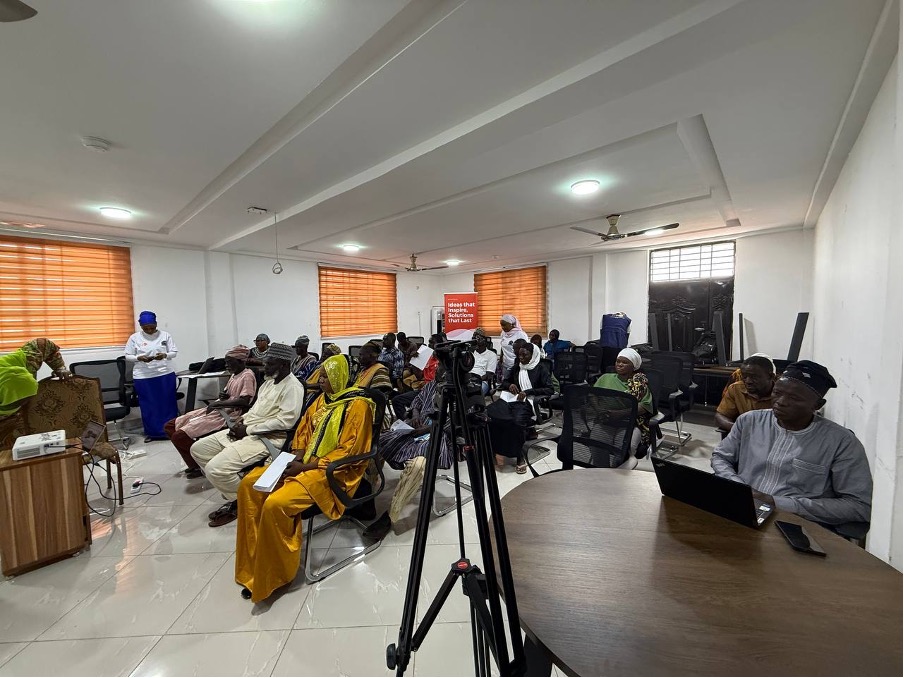
Pinnal Rewbe Foundation, a youth-led and women-led organisation, has held a multi-stakeholder capacity-building workshop in Tamale to strengthen community-led action against child marriage and promote Sexual and Reproductive Health and Rights (SRHR).
The workshop brought together key stakeholders from five communities within the Tamale Metropolitan Assembly, including traditional leaders, community opinion leaders, women, youth, adolescent girls and persons with disabilities.
The session was implemented under Pinnal Rewbe’s project, “A Multimedia Advocacy and Community Engagement Campaign to Prevent Child Marriage and Promote Sexual and Reproductive Health and Rights with Marginalised.” The initiative was supported by UNFPA Ghana and the Government of Canada through the AI for Her Future Innovation Hackathon Seed Fund.
The workshop sought to equip participants with practical knowledge on the causes, consequences and legal implications of child marriage, while promoting SRHR and girls’ education.
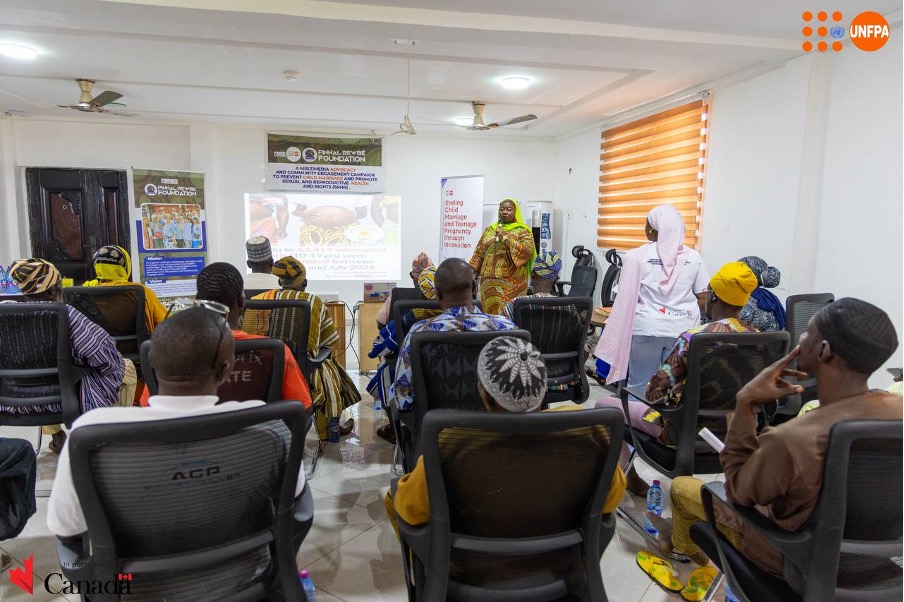
Facilitated by a gender expert, discussions focused on the drivers of child marriage, including poverty, teenage pregnancy, harmful gender norms, limited access to SRHR information and weak community protection systems.
Participants identified poverty as one of the leading drivers of child marriage in their communities. They noted that some families see early marriage as a way to reduce economic pressure, while others arrange marriages for girls who become pregnant as adolescents to avoid stigma and protect family reputation.
Participants also discussed how limited support for girls during menstruation can increase their vulnerability to exploitation, teenage pregnancy and eventual school dropout.
At the end of the workshop, participants from each of the five communities developed action plans to continue advocacy at the community level.
The plans include engaging women’s groups and youth groups on the consequences of child marriage, using religious platforms such as Friday sermons to promote girls’ protection and education, and strengthening collaboration with the Department of Social Welfare and other child protection institutions.
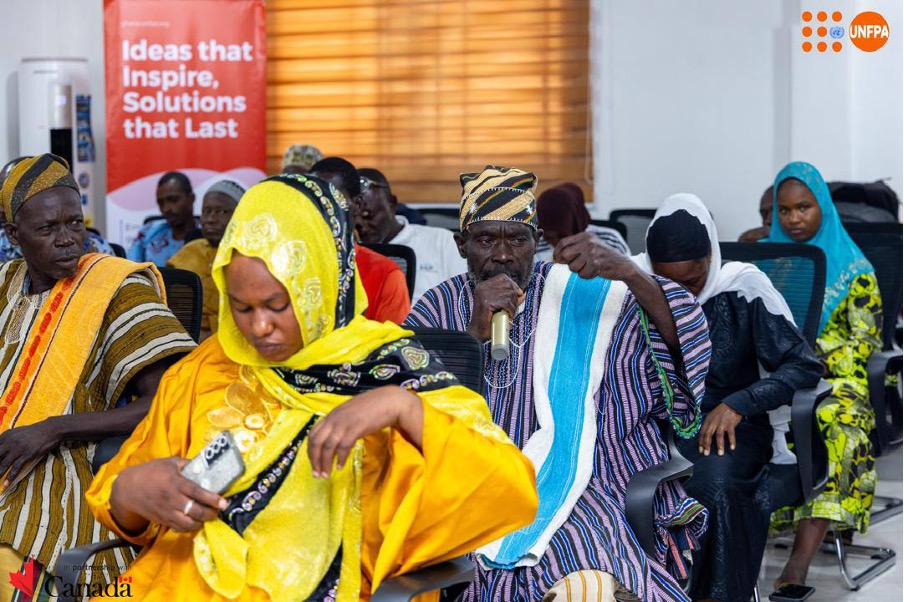
The Project Lead and Chief Executive Officer of Pinnal Rewbe Foundation, Dukure Salamatu, said the workshop was designed to ensure that advocacy does not end with the training.
“Participants developed action plans for their communities, including engaging women’s groups, youth groups and religious leaders to continue educating community members on the consequences of child marriage,” she said. “This will help sustain the conversation beyond the workshop.”
She added that parents and community leaders were encouraged to support adolescent girls, particularly during menstruation, to reduce their vulnerability to early marriage and teenage pregnancy.
Pinnal Rewbe, which means “Girls of Change,” focuses on addressing child marriage, SRHR and girls’ education among Fulbe and other marginalised communities in Northern Ghana.
The organisation emerged as the winning innovation of the AI for Her Future Hackathon, organised by UNFPA Ghana in partnership with the Africa Health Innovation Centre and supported by Global Affairs Canada and other partners.
The project uses community dialogues, multimedia advocacy, radio broadcasts, social media campaigns and stakeholder engagement to challenge harmful social norms and promote positive behaviour change.
Data from 2022 shows that child marriage before age 18 remains higher than the national average of 16.1% in several northern regions, including the Northern Region at 22.6%, Savannah at 19.3% and North East at 31.4%.
Through the workshop, Pinnal Rewbe aims to strengthen community ownership, improve knowledge of child protection laws and services, and create an enabling environment for girls to remain in school, access SRHR information and realise their full potential.