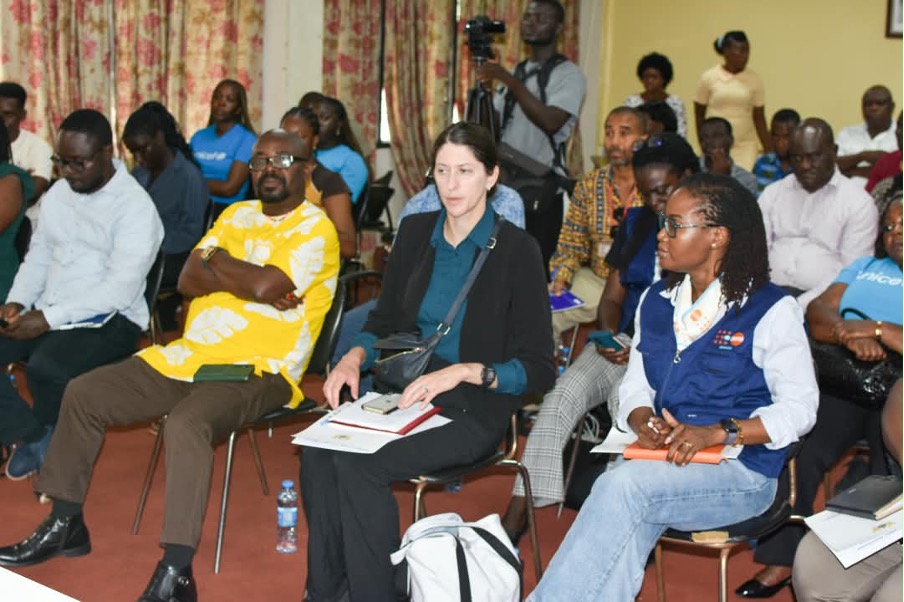
The Steering Committee of the Adolescent Girls Programme (AGP) has undertaken a three-day field engagement in the Volta Region to assess the programme’s implementation and explore ways to strengthen support for adolescent girls.
The engagement brought together representatives from Global Affairs Canada, the United Nations Population Fund (UNFPA), the United Nations Children’s Fund (UNICEF), Government and other programme partners to interact with beneficiaries, implementing organisations and regional stakeholders.
The AGP is a Canada-funded initiative implemented by UNFPA and UNICEF in partnership with the Government of Ghana to address challenges affecting adolescent girls and create opportunities for them to improve their wellbeing, exercise their rights and participate meaningfully in society.
The field visit formed part of efforts to assess progress at the community level, identify challenges and gather lessons that could inform the programme’s implementation.
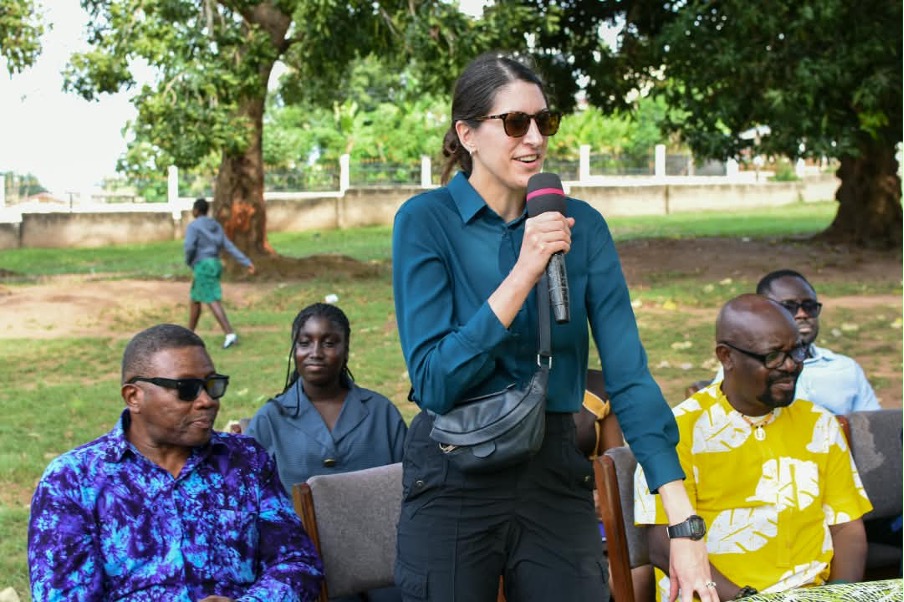
Speaking during a courtesy call on the Volta Regional Coordinating Council (VRCC), Ms Lianna Baur, Senior Development Officer at the Canadian High Commission, said Canada remained committed to supporting initiatives that created opportunities for adolescent girls to develop their skills and realise their potential.
She said investments in adolescent girls could contribute to stronger families and communities, particularly when girls had access to education, health services, protection and opportunities to develop their capabilities.
Ms Baur said Canada would continue to collaborate with the Government of Ghana, UNFPA and UNICEF to support interventions that promoted the wellbeing and empowerment of girls.
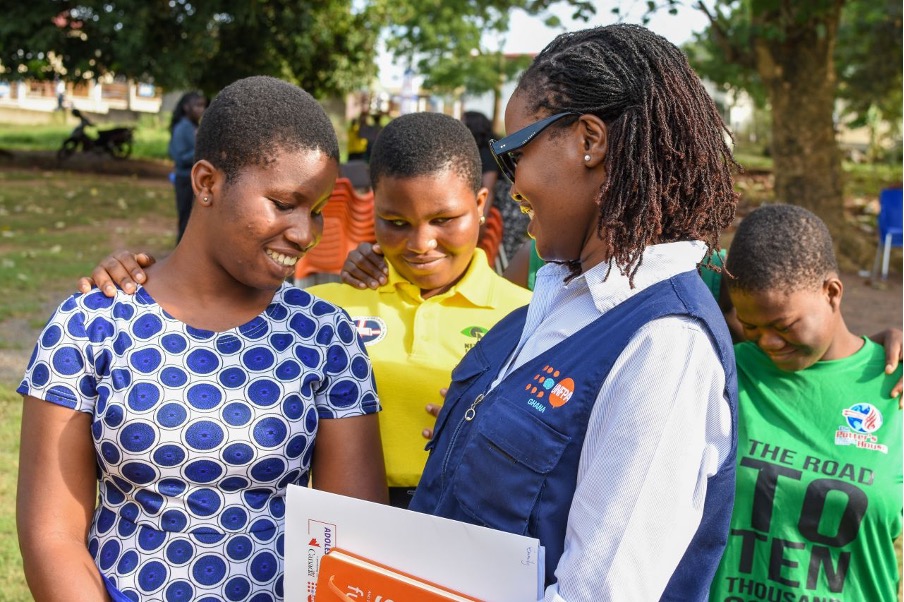
Dr. Emmily Naphambo, Deputy Representative of UNFPA Ghana, said the field engagement would enable the Steering Committee to gain a better understanding of the programme’s impact and the experiences of girls and communities benefiting from it.
She said the team would engage beneficiaries and implementing partners to understand the progress made, challenges encountered and lessons emerging from implementation.
Dr. Naphambo explained that the AGP adopted an integrated approach because the challenges facing adolescent girls were interconnected and required coordinated interventions.
She noted that issues relating to education, sexual and reproductive health, protection, life skills, harmful social practices and participation could not be addressed in isolation.
She expressed appreciation to Global Affairs Canada for its continued support to programmes aimed at improving the lives and opportunities of adolescent girls in Ghana.
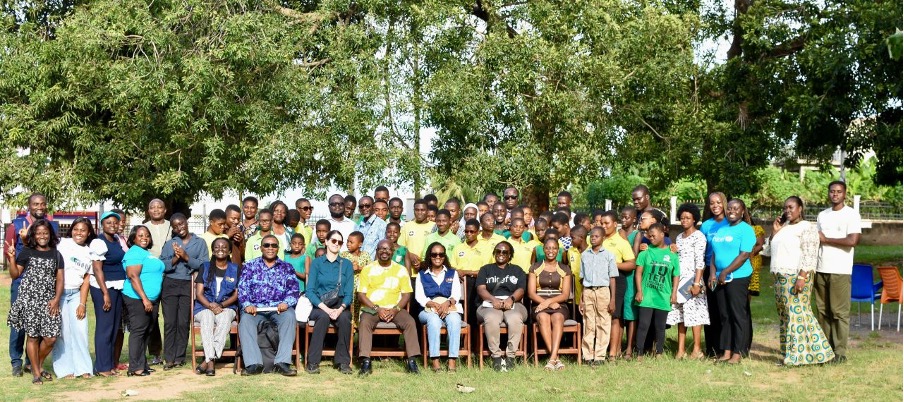
The Chief Director of the Volta Regional Coordinating Council, Alhaji Mohammed Avona Akape, welcomed the Steering Committee and underscored the importance of collaboration among government institutions, development partners, civil society organisations and communities.
He said effective partnerships were essential to ensuring that development programmes responded to the actual needs of beneficiaries and delivered sustainable results.
Alhaji Akape said the Regional Coordinating Council remained committed to initiatives that promoted the welfare and development of women, children and young people.
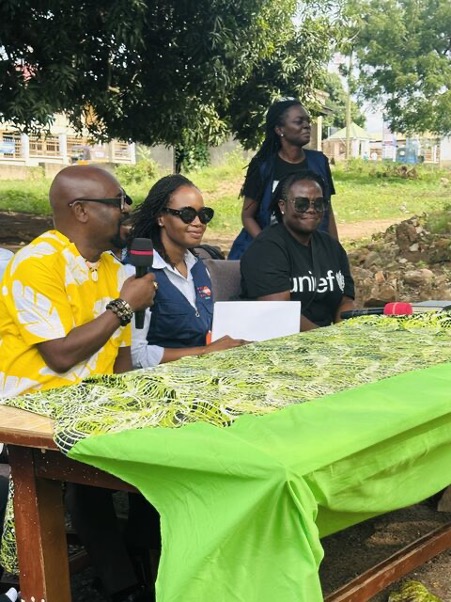
He further encouraged stakeholders to use the field engagement to identify practical solutions to implementation challenges and strengthen approaches that were yielding positive results.
The Steering Committee is expected to draw on findings and feedback from the field engagement to inform the continued implementation and strengthening of the Adolescent Girls Programme in the Volta Region.