
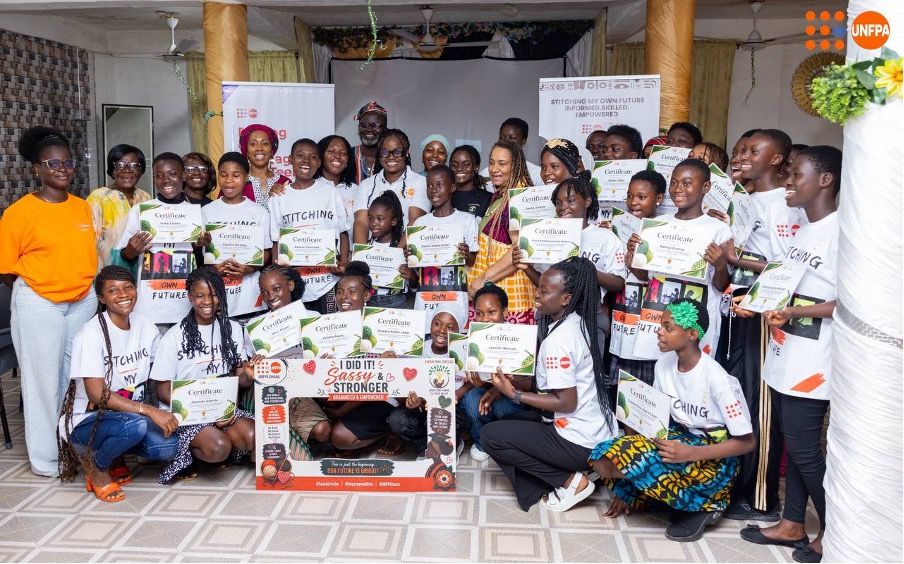
The United Nations Population Fund (UNFPA) Ghana has supported Fapem Tima Textiles, through its Sassy Crochet initiative, to graduate 30 adolescent girls who completed an integrated training programme in crochet, entrepreneurship, and comprehensive sexual and reproductive health education aimed at preventing teenage pregnancy and expanding economic opportunities.
Held in Accra under the theme “Empowering Adolescent Girls through Economic Skills and Comprehensive Sexuality Education for Teenage Pregnancy Prevention,” the graduation featured a product showcase by the 30 participants, who were drawn from Kasoa in Accra and surrounding communities.
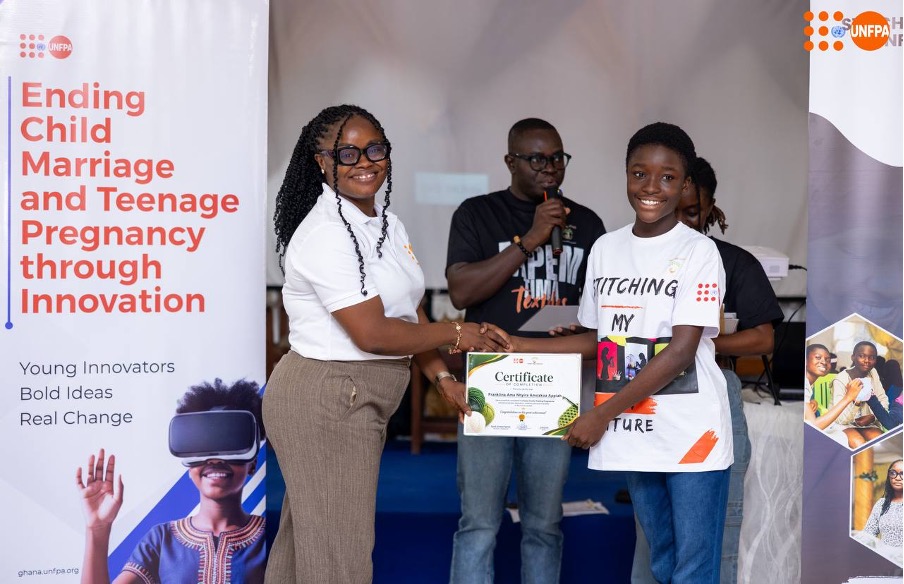
Speaking on behalf of UNFPA Ghana Country Representative Dr. Wilfred Ochan, UNFPA Innovations Specialist Theresah Yeboah said the initiative was exciting not only for what the girls learned, but for the thinking behind it: using innovation to address teenage pregnancy and economic vulnerability together, rather than in isolation.
The programme deliberately combined livelihood skills, entrepreneurship, and comprehensive sexuality education in one intervention, recognising that limited economic opportunities, limited access to information, and limited support to make informed decisions all increase a girl’s vulnerability.
Through the Sassy Crochet initiative, with technical and programme support from the Planned Parenthood Association of Ghana (PPAG) and funding from the Government of Canada, the girls were trained in crochet as a practical, income-generating skill.
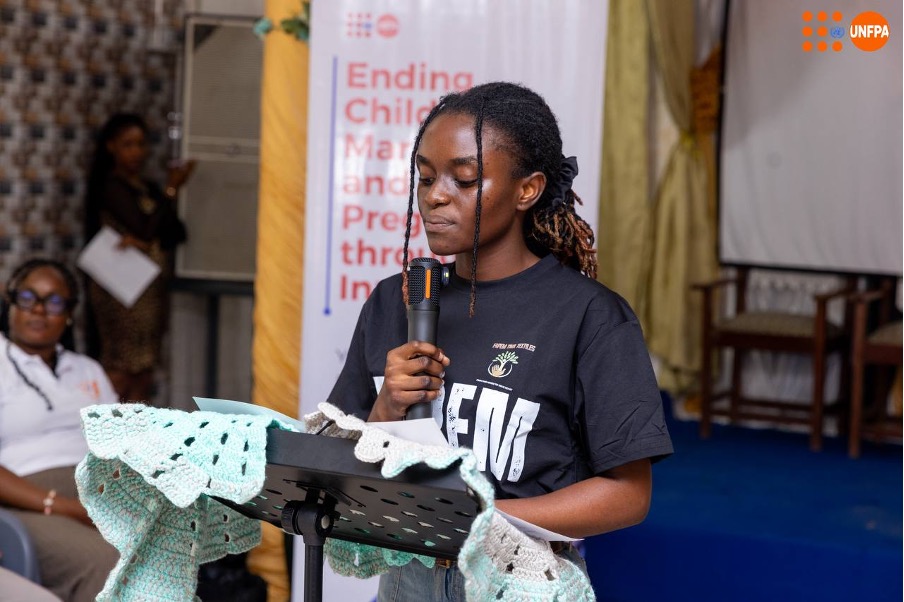
Sarah Serwaa Appiah, CEO of Fapem Tima Textiles and founder of the Sassy Crochet initiative, said the project intentionally created a safe space where girls could learn a trade, ask questions about their bodies and relationships, build confidence, and make informed choices.
She credited UNFPA Ghana’s AI for the Future Innovation Hackathon with helping transform her initial idea into a tangible, life-changing initiative.
The training went beyond craft skills to cover reproductive health and rights, mental health, and the ability to make informed decisions about life and future. The girls were also introduced to digital tools and social media marketing.
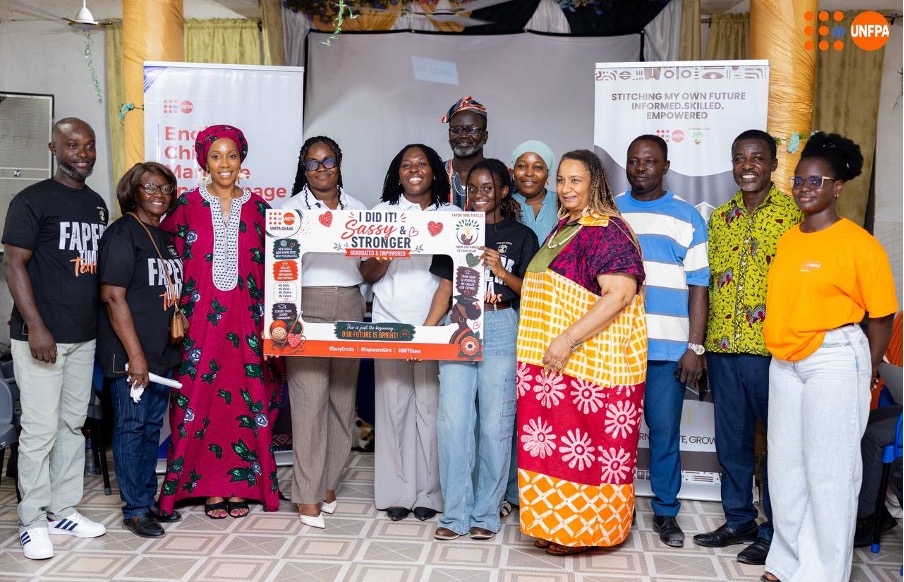
Guest of honour, Dr. Delia Gillis, Professor Emerita of History and Africana Studies, noted that the programme’s value lay not only in teaching stitches but in building knowledge about bodies, reproductive and mental health, confidence, and determination.
One of the graduates, Shelter Grace Ganu said she joined after seeing a Sassy Crochet flyer online, mastered basic stitches in about two weeks, and progressed to making a dress.
“I believe in my hands, I believe in my mind, I believe in the future I can create, and I will make informed choices”, she said.
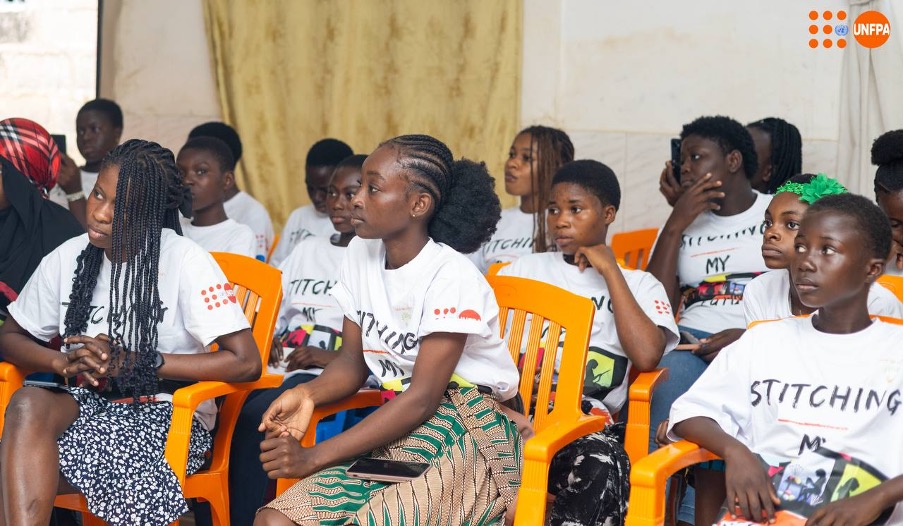
Another graduate, Zubaid Ahmed said the training exposed her to reproductive health and rights, mental health, and how to value and price her work, making her “more confident, patient and willing to try new things.”
Further addressing the graduates, the UNFPA Innovations Specialist urged them to remember that “a simple thread, with the right skill and patience, can become something valuable,” and that the skills and knowledge they have gained can become income, confidence, independence, and better choices.
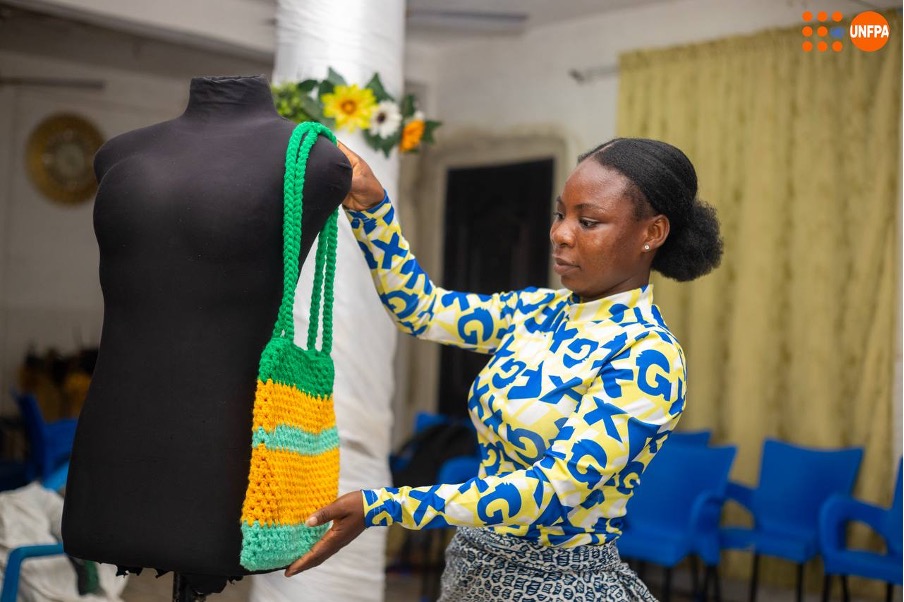
She called on parents, community leaders, and the Kasoa Iron City SDA Church to continue supporting this work, stressing that if girls are to thrive, communities must provide access to education, skills, health information, and safe spaces.
“When we invest in girls, we are not simply preventing teenage pregnancy. We are expanding possibilities,” she said, adding that true innovation is about “finding better ways to create better futures.”
The UNFPA team extended a special “Ayekoo” to Sassy Crochet for using seed funding not only to grow its own business but to create opportunities for 30 young women in the community.