
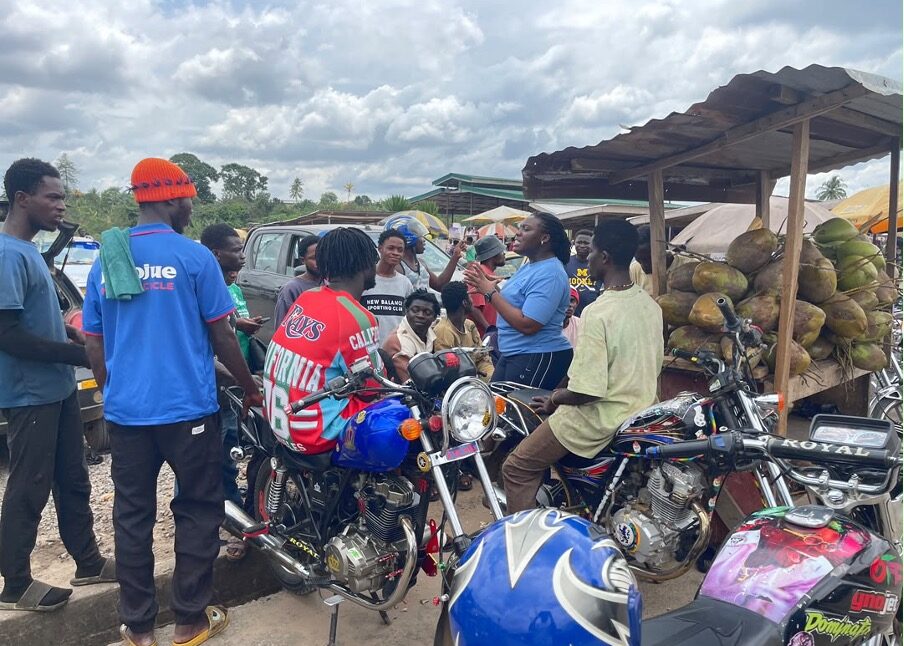
International Needs Ghana (INGH) is reaching 2,400 young people under its Promoting Adolescent Safe Spaces (PASS) Project in the Central Region, in a bid to protect them from sexual exploitation, teenage pregnancy and other risks.
The project, which is targeting 1,500 adolescent girls and 900 boys, is being implemented in the Gomoa East District, Awutu Senya East Municipality and Awutu Senya West District. It combines support for girls with engagement with parents, community leaders and commercial motorbike riders, popularly known as Okada riders, to create safer environments for adolescents.
The initiative places particular emphasis on out-of-school girls, adolescent mothers and pregnant teenagers. It provides them with information about their rights, personal safety and the choices available to them as they plan for the future.
Gloria Mateko Asare, Project Manager of the PASS Project at INGH, said many of the girls targeted by the programme face deception, sexual exploitation and teenage pregnancy. She said equipping them with knowledge and confidence is central to helping them protect themselves.
The project also encourages adolescent mothers to return to school or acquire vocational skills that can support their economic independence. According to Ms Asare, about 32 adolescent mothers had already been engaged under the intervention, with some expressing interest in continuing their education.
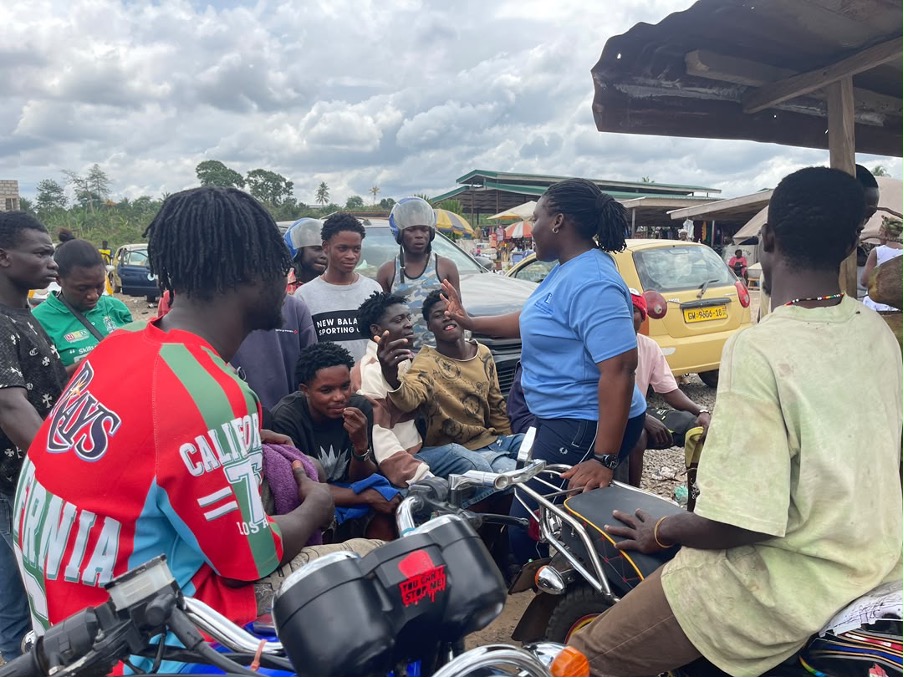
Ms Asare said the project deliberately goes beyond working with girls alone. She explained that empowering girls without addressing the conduct of people who expose them to abuse would leave the problem unresolved.
“If you empower the girls and the perpetrators are out there, then it is like using a basket to fetch water from the river. The space is still not safe,” she said.
The programme therefore engages Okada riders, parents and other community stakeholders to take greater responsibility for the protection of children. Ms Asare said the involvement of these groups is essential to reducing the risks girls face in their communities.
The project also seeks to address gaps in parental guidance and supervision. Ms Asare observed that some parents fail to provide their children with the direction and support needed as they grow.
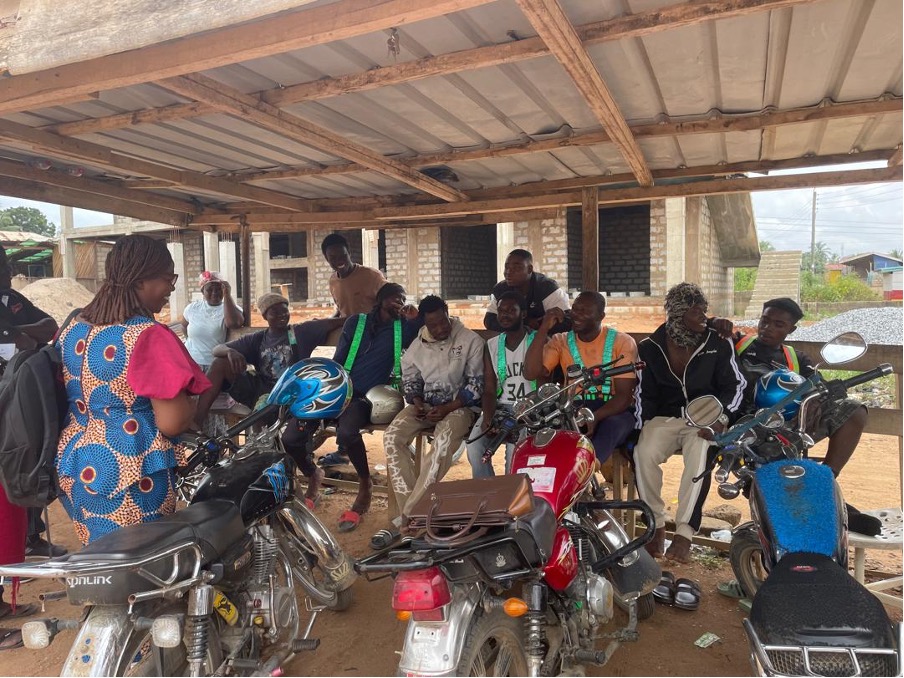
Through community-based engagements, the project provides parents with information to help them understand their responsibilities and take deliberate steps to protect and support their children.
INGH is also implementing the Adolescent Girls’ Programme (AGP), a joint initiative funded and supported by Global Affairs Canada and implemented by UNFPA Ghana and UNICEF Ghana.
Ms Asare said the organisation is working to replicate some interventions under the AGP to reach more vulnerable girls. She said INGH remains committed to empowering adolescent girls while strengthening community involvement in their safety, protection and development.