
A safety-net initiative supported by the United Nations Population Fund (UNFPA) is providing vulnerable adolescent girls with practical pathways to escape child marriage, return to school and regain control of their futures.
The Ghana Health Service says the programme is designed in collaboration with the United Nations Children’s Fund (UNICEF), not only to rescue girls already trapped in harmful situations, but also to identify and support those at risk before they are forced into marriage or drop out of school.
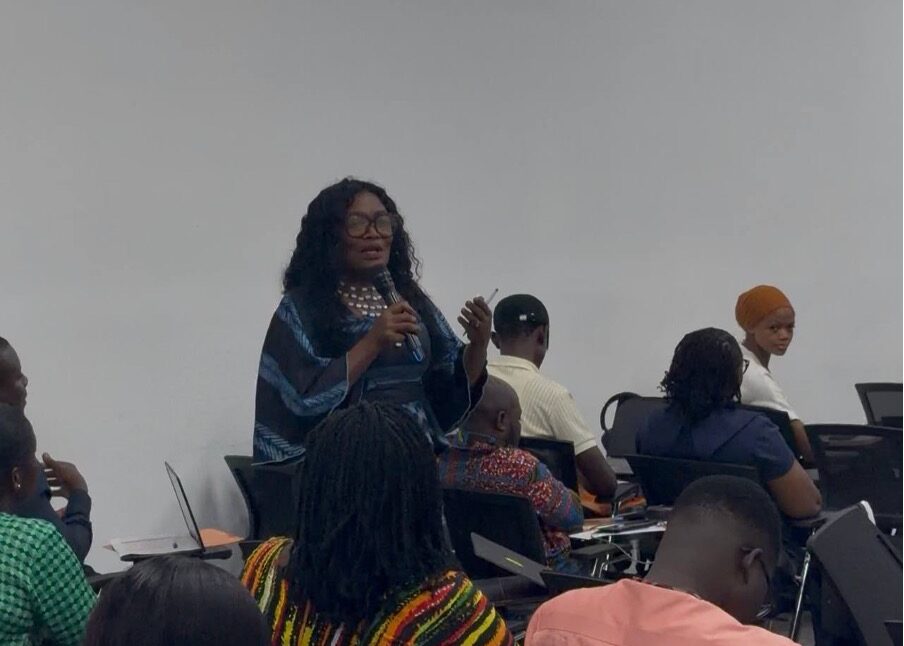
Dr. Doris Amarteifio, Programme Manager for Family Planning at the Family Health Division of the Ghana Health Service, while speaking to the media, said information alone cannot protect every girl. She noted that some adolescents may know their rights but still lack the support needed to leave unsafe environments.
“Some of the girls fall out of the net. You have provided information, but depending on where the girl finds herself, she might still be trapped. She has the knowledge, but she needs a way to move out of that environment,” she said.
The safety-net programme therefore combines education, community engagement and access to adolescent-friendly health services. It also seeks to help girls who have left school regain educational opportunities and avoid unintended pregnancies.
The Ghana Health Service is working with the Ghana Education Service, traditional authorities, opinion leaders and other influential community members to challenge the acceptance of child marriage.
Dr. Amarteifio said community leaders remain critical because their views often shape local attitudes and practices. She stressed that their involvement is necessary to make clear that marrying off a person below 18 is an offence.
“We cannot do this without working with the communities,” she said.
The Service is also using school health education coordinators to reach girls in formal education, while extending information and support to adolescents outside the school system.
According to Dr. Amarteifio, many girls may see decisions by parents or guardians to arrange their marriage as beyond their control. She said teaching them about their rights can help them recognise abuse, speak up and seek assistance.
The programme also seeks to strengthen access to adolescent-friendly health services through trained nurses and other health personnel who provide young people with guidance on reproductive health, pregnancy prevention and informed decision-making.
She defended adolescents’ access to family-planning services, saying some young people become sexually active before 18 due to circumstances including rape and defilement. She cautioned against judging girls who seek such services, arguing that access to information and care can protect vulnerable adolescents from further harm.
Dr Amarteifio said preventing unintended pregnancies is also central to helping girls escape harmful environments and resume their education. She argued that the response to child marriage must go beyond awareness campaigns to include protection services, reproductive-health education and opportunities for girls to rebuild their lives.
The collaboration between the Ghana Health Service, UNFPA, UNICEF and the Ghana Education Service is intended to ensure that vulnerable adolescent girls receive both information and practical support to avoid child marriage, protect their health and continue learning.