Journalists and media practitioners have been urged to use evidence and human-interest reporting to strengthen public understanding of sexual and reproductive health and rights (SRHR) and the impact of development interventions in Ghana.
The call came at a one-day capacity-building workshop organised by the Media and Communication Advocacy Network (MCAN) with support from the United Nations Population Fund (UNFPA) and Global Affairs Canada.
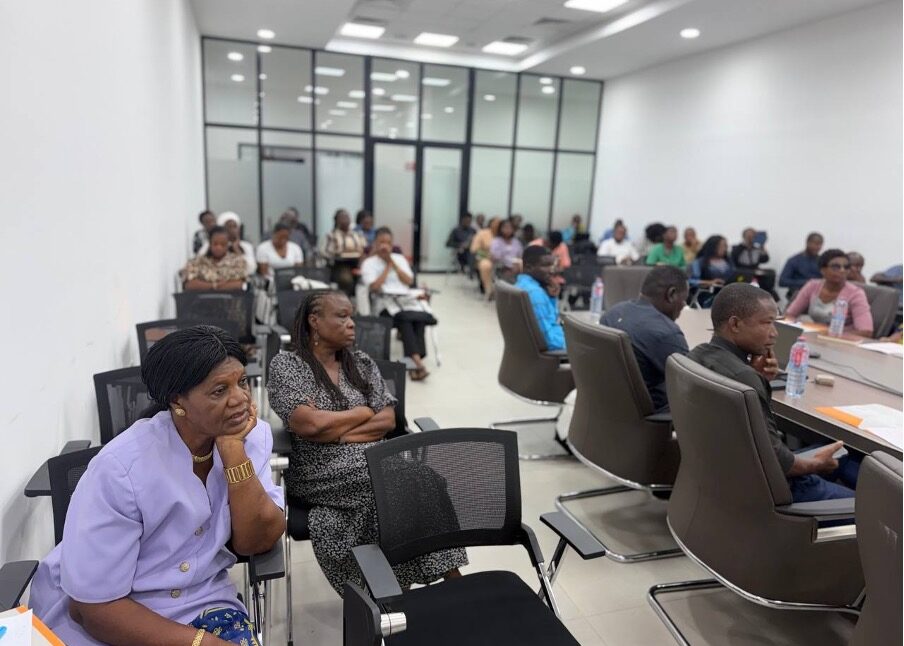
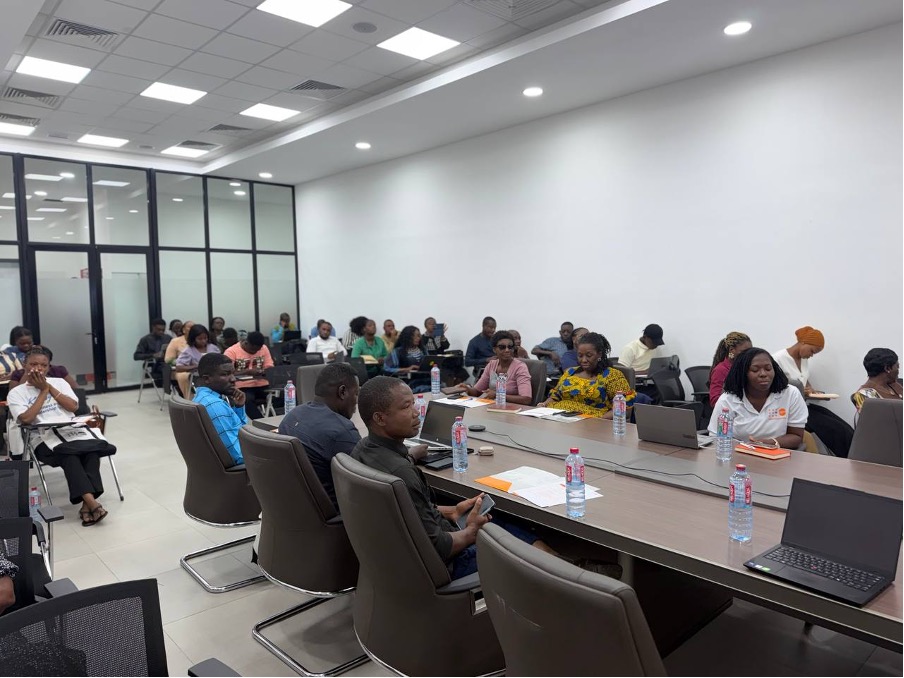
Held in Accra on Thursday, November 5, 2026, the workshop brought together media practitioners to deepen their knowledge of the UNFPA Ghana Country Programme and build practical skills in human-interest storytelling and digital communication. It also sought to create a more responsive media network capable of documenting changes taking place in communities through development programmes.
Strengthening development reporting
Participants were taken through sessions designed to help them report development issues in ways that connect policy, services and the lived experiences of beneficiaries. The workshop focused on identifying and documenting stories from implementing partners and beneficiaries of the Adolescent Girls and Child Marriage programmes.
The MCAN Secretariat said the engagement was intended to improve media coverage of the experiences, achievements and impact of UNFPA-supported interventions, particularly those reaching vulnerable adolescents and their communities.
The programme brought together journalists, implementing partners and beneficiaries, creating space for reporters to hear directly about how interventions are affecting education, livelihoods, health access and protection from harmful practices.
Media as a bridge
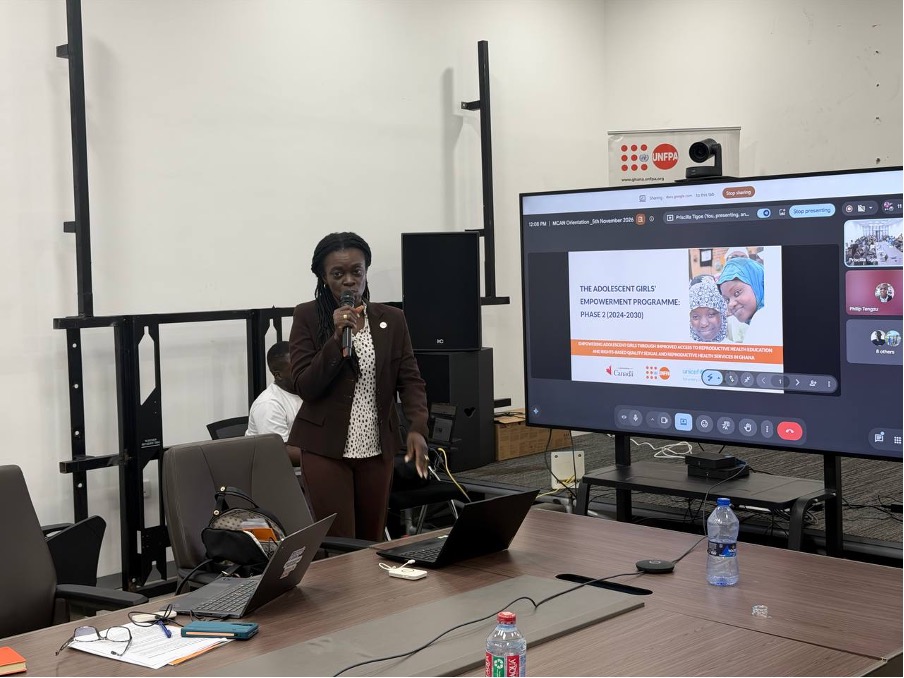
Adjoa Yenyi, Programme Specialist for Adolescent and Youth Development at the UNFPA Ghana Country Office, urged journalists to go beyond reporting isolated incidents and instead serve as a bridge between reproductive-health policies and public understanding.
She encouraged media practitioners to collaborate with health-communication experts to improve public knowledge of SRHR, especially in rural communities where access to information and services may be limited.
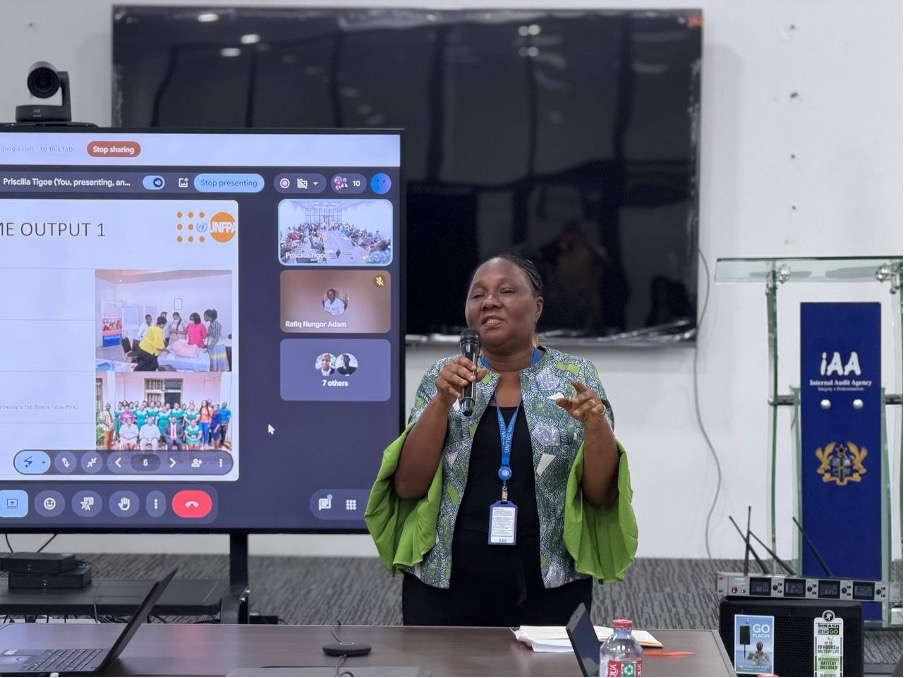
Dr. Doris Amarteifio, Programme Manager for Family Planning at the Family Health Division of the Ghana Health Service, also urged journalists to track the human impact of development programmes. She said consistent and strategic media advocacy could draw attention to service gaps, influence policy action and strengthen public awareness.
Dr. Amarteifio encouraged reporters to highlight measurable outcomes, including increased modern contraceptive use, improved access to skilled birth attendance, reduced maternal mortality, prevention of teenage pregnancies and improved access to family-planning services.
Focus on young people
The workshop also highlighted the role of the media in advancing the Adolescent Girls Programme, which is being implemented by UNFPA and UNICEF with support from Global Affairs Canada and regional coordinating councils in the Volta, Eastern, Ashanti and North East regions.
Representatives of implementing partners explained how their interventions were reaching vulnerable adolescents, engaging families and communities, and creating opportunities for young people to shape their futures.
Beneficiaries shared personal accounts of how the programme had supported their education, livelihoods and confidence. Their stories included young women who had returned to school, developed income-generating skills and gained the courage to challenge harmful treatment at home.
Building a media network
MCAN is an association of journalists and media practitioners that promotes health and social development through professional media practice. The organisation has worked with UNFPA since 2002 on advocacy around reproductive health, gender equality and the rights of women and girls.
Mrs Linda Asante Agyei, who represented MCAN, said the network seeks to promote health and social development through professional media practice. She said MCAN’s annual programme of work includes activities that promote UNFPA’s mandate, including adolescent sexual health and rights.
She commended UNFPA for its continued support to the association, saying the partnership had helped strengthen advocacy on reproductive-health issues and gender equality.
Call to action
Speakers at the workshop said journalists have an important role in ensuring that development programmes are not reduced to statistics. By documenting the experiences of beneficiaries and the outcomes of interventions, the media can help communities understand available services, hold institutions accountable and inform policy discussions.
The workshop ended with a renewed commitment among participants to pursue accurate, ethical and impactful reporting on SRHR, adolescent development, gender equality and community wellbeing.