Accra, July 25, GNA – Governance expert Frank Wilson Bodza has called on non-state actors to scrutinize the 2026 national budget to promote the inclusion of gender-based violence survivors and ensure responsive, equitable resource allocation.
He urged them to uncover gender disparities, ensure accountability from public officials, and push for reform by analysing budget allocations with a gender-responsive perspective.
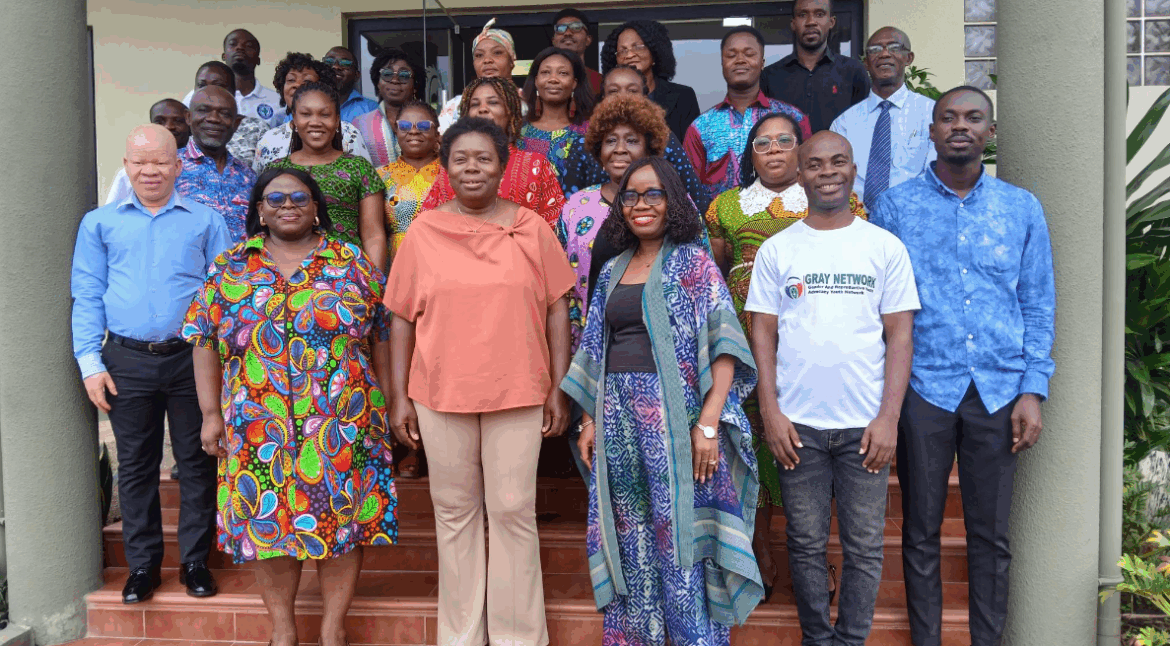
Mr. Bodza gave the advice at a capacity-building workshop in Accra organised by FIDA-Ghana with support from UNFPA, targeting civil society groups, persons with disability, government departments, and the media.
“To carry out effective budget analysis, participants must understand budget proposals and historical allocation trends to grasp government policy direction and communicate insights effectively to stakeholders,” he said.
Mr. Bodza said budget analysis improved financial management, supported informed decision-making, minimised risks, enhanced transparency, strengthened forecasting, and drove effective policy advocacy.
He added that consistent advocacy must operationalise the domestic violence fund to secure funding for the Ministry of Gender, Children and Social Protection and the Domestic Violence Secretariat in delivering essential services to women and girls.
Mr. Bodza said strengthening the capacity of non-state actors in gender-responsive budget tracking had promoted evidence-based advocacy and ensured accountability for women and girls’ rights.
He explained that national budgets had represented government priorities for each fiscal year, assessed the performance of public programmes, influenced economic growth and social development, and served as tools for oversight and accountability.
This year’s exercise is the third by FIDA-Ghana and partners to evaluate domestic violence fund allocations, track budget changes since the 2025 Appropriation Act, and strengthen advocacy for increased funding.
Mrs Susan Aryeetey, Executive Director of FIDA-Ghana, said survivors of gender-based violence often lacked access to legal and psychosocial support, financial assistance, and medical care.
“So, it’s important that we get everybody on board so we can amplify our voice. Like I said earlier, we cannot do it alone. We need to link up with other collaborators so that we can hold the government accountable,” she stated.
Mrs. Aryeetey noted that many cases go unreported due to limited access to medical care and essential resources.
“You need evidence to bring perpetrators to book. If a victim can’t afford it, there’s no evidence, and the prosecutor can’t proceed. Sometimes, all it takes is a small amount—just pocket money—to follow up on cases.
“So, the cases shared with us don’t reflect the actual numbers. And when that happens, we’re sitting on a powder keg. It will explode in our faces,” she warned.
SOURCE: GNA