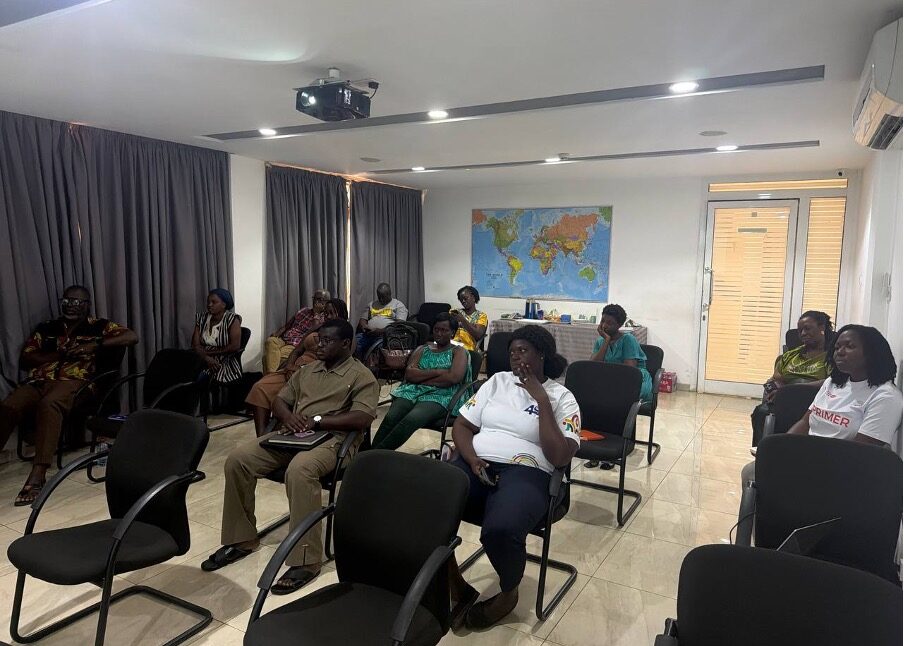
The United Nations Population Fund (UNFPA) Ghana Gender-Based Violence (GBV) Consortium, led by International Needs Ghana (INGH), has convened a Gender-Based Violence (GBV) Consortium coordination meeting with partner organisations to review activities implemented so far in 2026, identify challenges and agree on priorities for the coming year.
The meeting took place on Friday, November 13, 2026, at 11:00 a.m. in the International Needs Ghana Conference Room. It brought together the Media and Communication Advocacy Network (MCAN), the Obaapa Development Foundation (ODF), the Purim African Youth Development Platform (PAYDP) and the International Federation of Women Lawyers (FIDA-Ghana).
Sharing progress
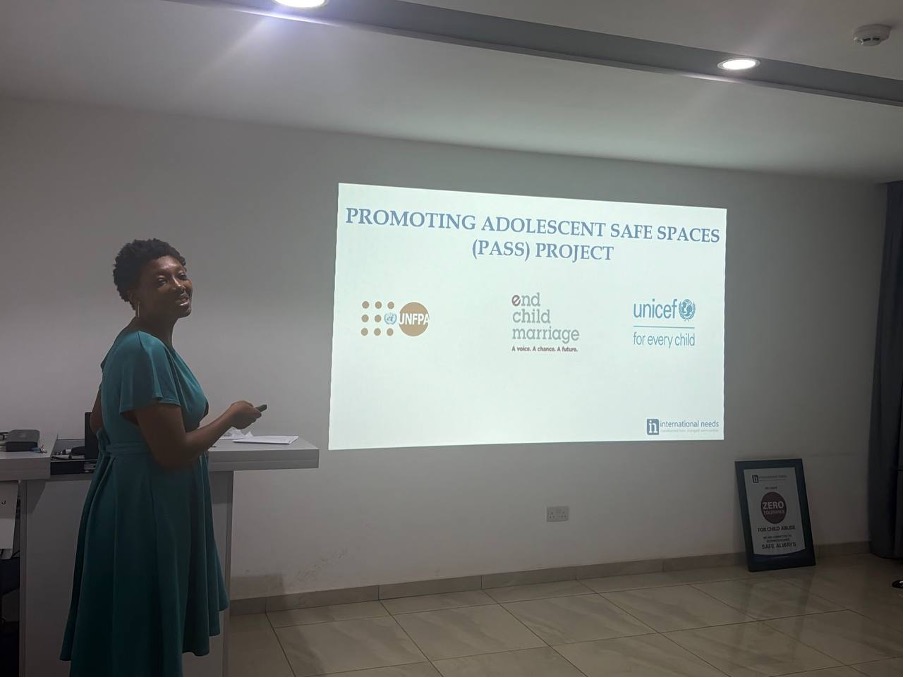
The organisations presented updates on their GBV-related interventions implemented during 2026, including the reach of their programmes, the communities served and the outcomes recorded so far.
The Executive Director for International Needs Ghana, Mr. Cromwell Awadey, at the beginning of the meeting, commended the partners for working tirelessly to promote adolescent Sexual Reproductive Health and Rights (SRHR) in their various areas of work.
Mr. Awadey further urged them to continue working hard to implement all activities earmarked for the year 2026.
The meeting also created space for partners to discuss operational and programme challenges affecting their work, including gaps in service delivery, funding, coordination and community engagement.
Planning for 2027
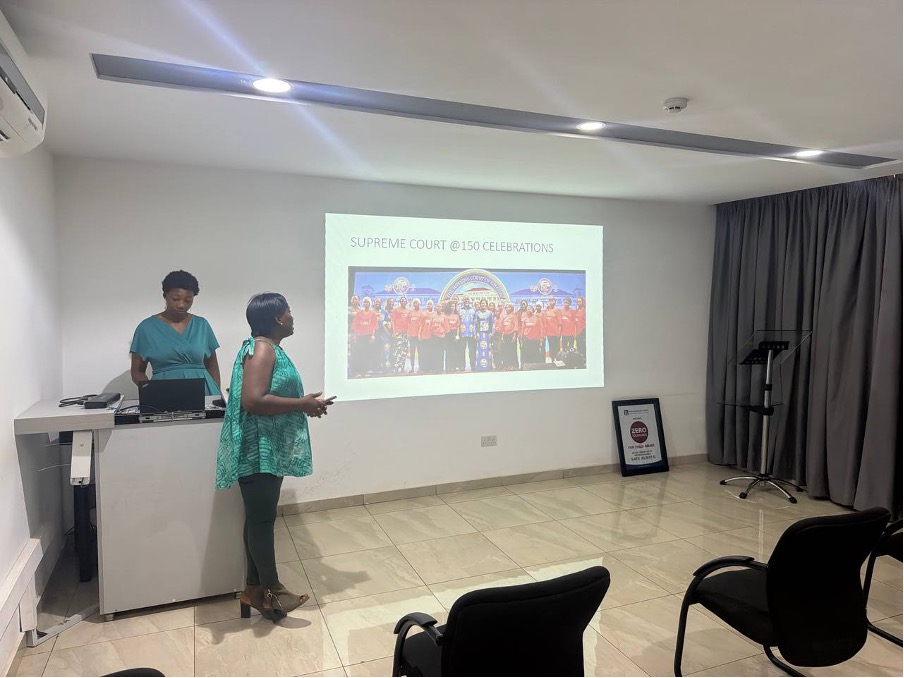
Participants used the session to outline plans for 2027, with a focus on strengthening collaboration, improving referrals and expanding support for survivors of gender-based violence.
The organisations also discussed ways to improve public awareness, strengthen prevention efforts and ensure that survivors have access to timely protection, health, legal and psychosocial support.
Strengthening partnerships
The consortium meeting forms part of ongoing efforts by civil-society organisations to coordinate GBV prevention and response interventions in Ghana.
By bringing together organisations working across media advocacy, legal support, youth development and survivor protection, the meeting is expected to help partners identify shared priorities and avoid duplication in their interventions.
Partner focus areas
INGH works to protect adolescents and vulnerable communities through safe spaces, mentorship, education and community engagement. Its interventions focus on preventing child marriage, adolescent pregnancy, sexual and gender-based violence and other risks affecting young people, while also supporting adolescent mothers to return to school or acquire livelihood skills.
MCAN works to strengthen media advocacy and public communication on health, gender and social development issues. The network brings together journalists and media practitioners to promote accurate reporting, amplify community voices and support public awareness of sexual and reproductive health and rights, gender equality and the rights of women and girls.
ODF focuses on protecting and empowering vulnerable children, young people and families through education, care, livelihood support and child-protection interventions. Its work contributes to creating safer environments for children and reducing the risks that expose them to abuse, exploitation and other forms of violence.
PAYDP implements programmes for adolescent girls, young women, teenage mothers and vulnerable communities, with emphasis on sexual and reproductive health education, prevention of child marriage and gender-based violence, leadership development and livelihood empowerment. The organisation also works with parents, traditional leaders and community stakeholders to address harmful practices and improve protection for girls.
FIDA-Ghana focuses on promoting and protecting the rights of women and children through legal aid, advocacy, public education and policy engagement. Its work includes support for survivors of domestic and gender-based violence, advocacy for stronger implementation of protective laws and campaigns for improved funding and services for survivors.